
Cancer Care: Understanding, Support & Hope

Cancer is not just a disease—it is a journey that affects the body, mind, and emotions of a person and their family. With early diagnosis, proper treatment, and continuous support, many people successfully manage cancer and live fulfilling lives. Modern cancer care focuses not only on treatment but also on improving quality of life and emotional well-being.

What Is Cancer Care?

Cancer care includes prevention, early detection, diagnosis, treatment, and long-term follow-up. It is a combination of medical treatment, emotional support, nutritional guidance, and lifestyle management. Every patient’s condition is different, so cancer care is always personalized based on the type and stage of cancer.

Importance of Early Detection

Early detection plays a crucial role in successful cancer treatment. Regular health check-ups, awareness of symptoms, and timely medical consultation can help detect cancer at an early stage. Early diagnosis often leads to simpler treatments, better recovery, and higher survival rates.

Common Cancer Treatment Options

Cancer treatment depends on the patient’s condition and medical needs. Some commonly used treatment methods include:

    • Chemotherapy – Uses medicines to destroy cancer cells

    • Radiation Therapy – Uses high-energy rays to target cancer cells

    • Surgery – Removal of cancer-affected tissue

    • Targeted Therapy – Focuses on specific cancer cells

    • Immunotherapy – Strengthens the body’s immune system

Doctors may use one or a combination of these treatments to achieve the best results.

Emotional & Mental Support in Cancer Care

Cancer treatment can be emotionally challenging. Fear, anxiety, and stress are common during this journey. Emotional support from family, counselors, and support groups helps patients stay positive and mentally strong. A healthy mindset plays an important role in recovery.

Role of Nutrition & Healthy Lifestyle

A balanced diet and healthy lifestyle help the body cope with treatment side effects and improve energy levels. Nutritious food, proper hydration, light physical activity, and adequate rest support the healing process. Avoiding tobacco, alcohol, and unhealthy habits is also important during and after treatment.

Living Beyond Cancer

Cancer care does not end with treatment. Regular follow-ups, health monitoring, and lifestyle adjustments are essential for long-term well-being. Many cancer survivors lead active, healthy lives by staying informed and taking preventive care seriously.

Final Thought

Cancer care is about treatment, trust, and hope. With the right medical guidance, emotional support, and timely decisions, cancer can be managed effectively. Awareness and early action save lives.

7-Day Cancer Care Food & Exercise Plan


Cancer treatment affects not only the body but also emotional and mental health. Along with medical care, proper nutrition and safe physical activity play a crucial role in improving energy levels, supporting immunity, and enhancing overall quality of life.

This cancer care guide explains what to eat, how to stay active, and which habits support recovery during and after treatment.

Why Food & Exercise Matter in Cancer Care

During cancer treatment, the body requires extra care. Side effects like fatigue, weakness, and appetite changes are common. A balanced diet and gentle exercise help:

  • Maintain strength and body weight

  • Improve digestion and immunity

  • Reduce treatment-related fatigue

  • Support emotional and mental well-being


🥗 Cancer Care Food Guidelines

Healthy Breakfast Choices

Breakfast should provide energy without stressing digestion.

  • Oats, dalia, or whole-grain cereals

  • Vegetable omelette or paneer scramble

  • Idli, upma, or poha

  • Fruits such as banana, apple, or papaya


Mid-Morning Nutrition & Hydration

  • Coconut water

  • Lemon water

  • Herbal tea

  • One seasonal fruit

Hydration helps reduce weakness and supports detoxification.


Balanced Lunch for Cancer Patients

Lunch should include protein, vegetables, and whole grains.

  • Dal, rajma, or chickpeas

  • Steamed rice or whole-wheat roti

  • Cooked vegetables (spinach, carrot, pumpkin, bottle gourd)

  • Curd or buttermilk


Healthy Evening Snacks

  • Roasted nuts or seeds

  • Fruit smoothie (low sugar)

  • Boiled corn

  • Fresh fruit bowl


Light & Digestive Dinner

Dinner should be simple and easy to digest.

  • Vegetable soup

  • Khichdi

  • Soft cooked vegetables with roti

  • Paneer or tofu (small portion)


 Foods to Avoid During Cancer Treatment

  • Fried and oily foods

  • Packaged and processed items

  • Excess sugar and sweets

  • Alcohol and tobacco

  • Very spicy foods


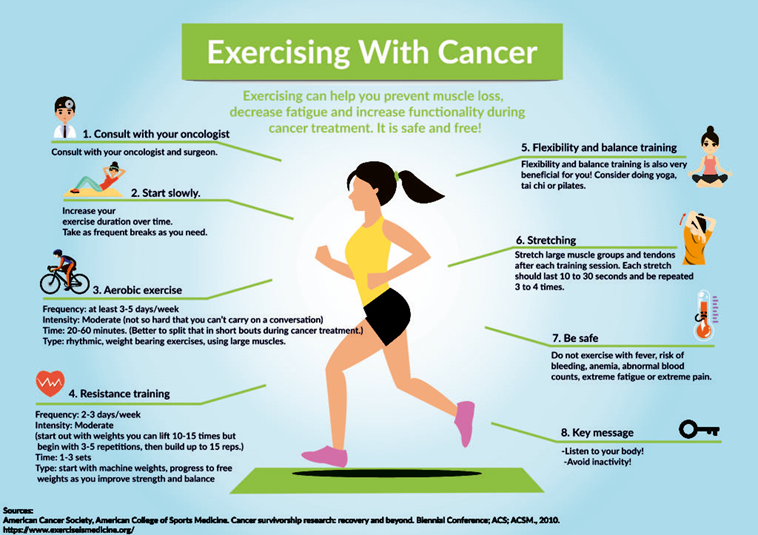
🧘Exercise Guidelines for Cancer Patients

Exercise during cancer care should be gentle, safe, and regular. The aim is not intense workouts but maintaining movement and flexibility.


Walking

  • 10–30 minutes daily

  • Can be divided into short sessions

  • Improves circulation and reduces fatigue


Stretching & Yoga

  • Gentle stretching for arms, legs, neck, and shoulders

  • Simple yoga postures

  • Helps reduce stiffness and improves flexibility


Breathing Exercises

  • Deep breathing

  • Relaxation breathing

  • Reduces stress and anxiety


Chair Exercises

  • Suitable for elderly or weak patients

  • Light arm and leg movements while seated


Meditation

  • 5–10 minutes daily

  • Supports emotional balance and mental strength


Exercise Safety Tips

  • Always consult your doctor before starting exercise

  • Begin slowly and increase activity gradually

  • Stop if pain, dizziness, or breathlessness occurs

  • Avoid exercise on chemotherapy or treatment days

  • Rest is equally important


Lifestyle Tips for Faster Recovery

  • Maintain proper sleep routines

  • Stay in a positive and supportive environment

  • Avoid smoking and alcohol

  • Attend regular medical follow-ups


Final Thoughts

Cancer care is a holistic journey that combines treatment with healthy food, gentle exercise, and emotional support. Small daily lifestyle choices can significantly improve recovery, strength, and overall well-being.

Scroll to Top